Diamond Painting Starting Guide

Discover how simple and relaxing diamond painting can be

A better start often comes down to the setup

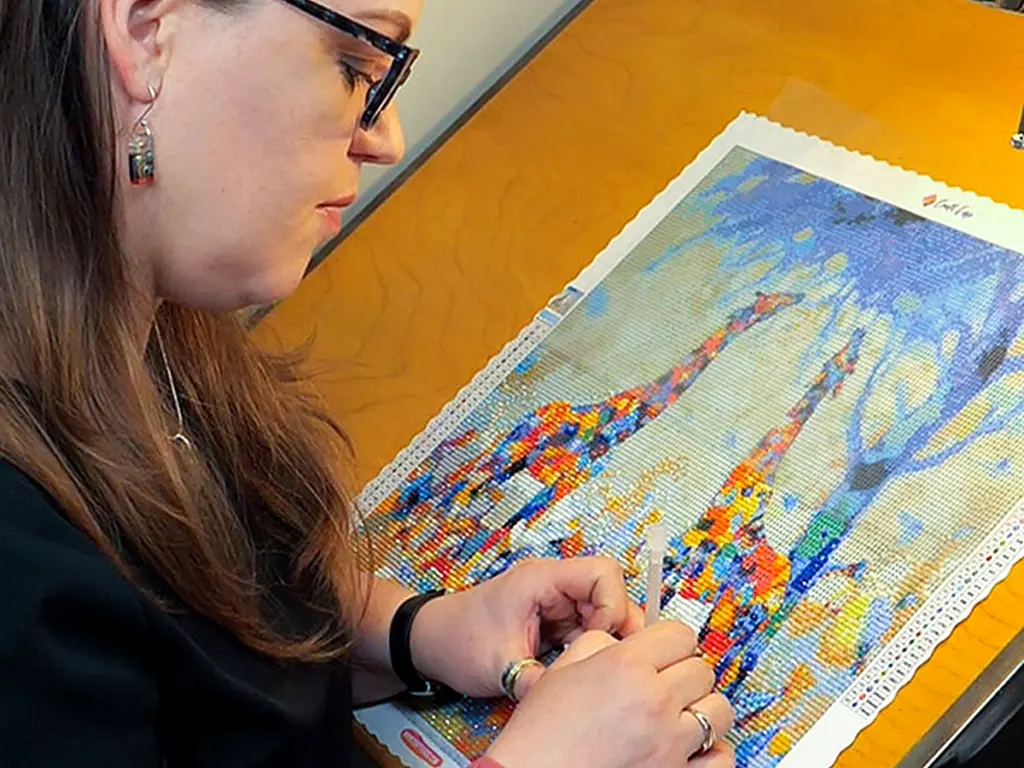
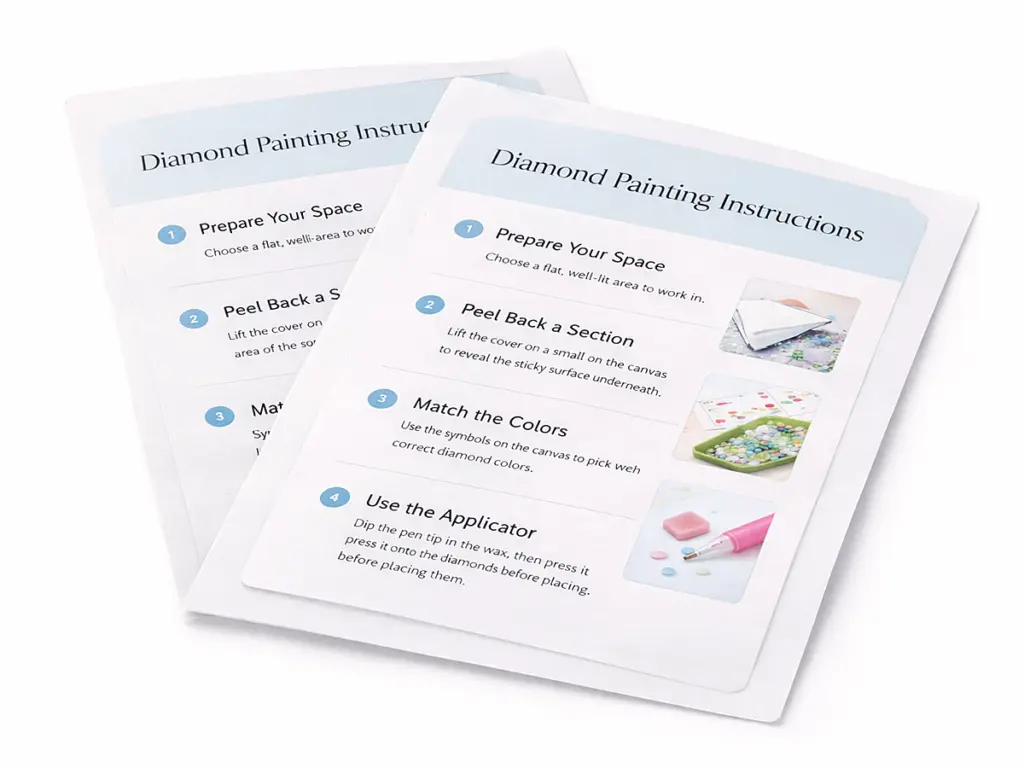
Before placing anything, it helps to give yourself a calm place to work.

You do not need a special crafting setup or a perfectly arranged table. In most cases, a flat surface, decent lighting, and enough room for the canvas and tools is more than enough. The main thing is being able to work without feeling cramped or rushed.

Many people notice that the first session feels smoother when everything is already within reach. A little space, a bit of light, and a clear surface usually makes more difference than expected.

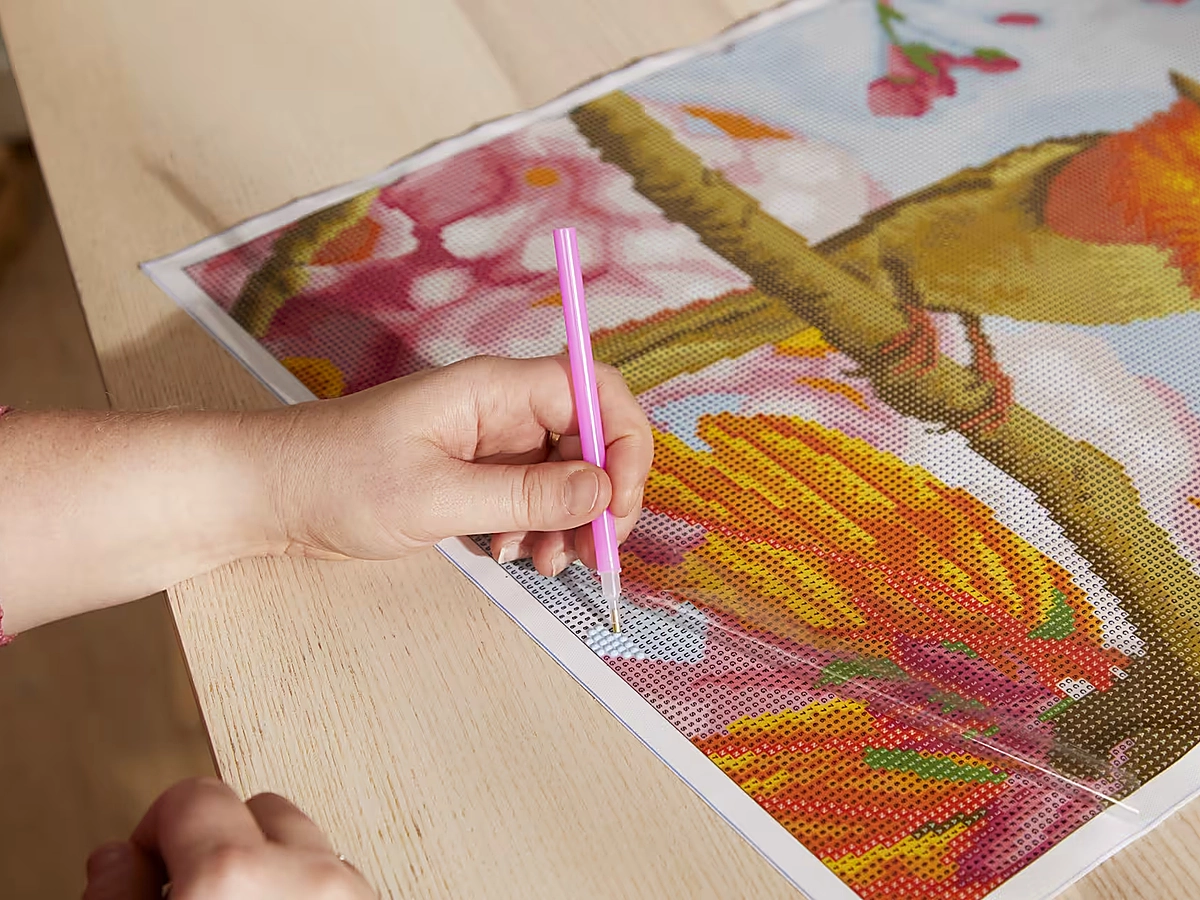
diamond painting setting

The kit makes more sense once it is in front of you

At first glance, the tools can seem very simple, almost too simple.

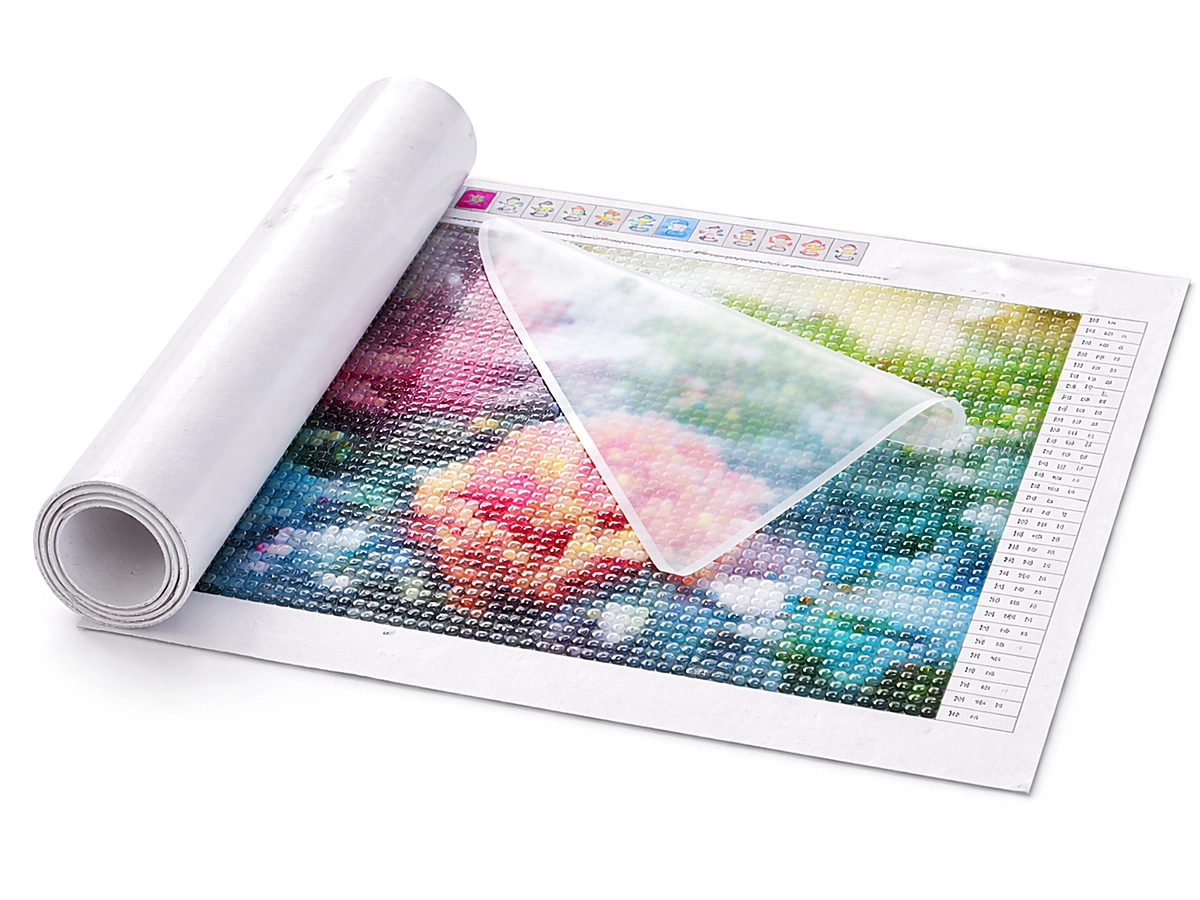
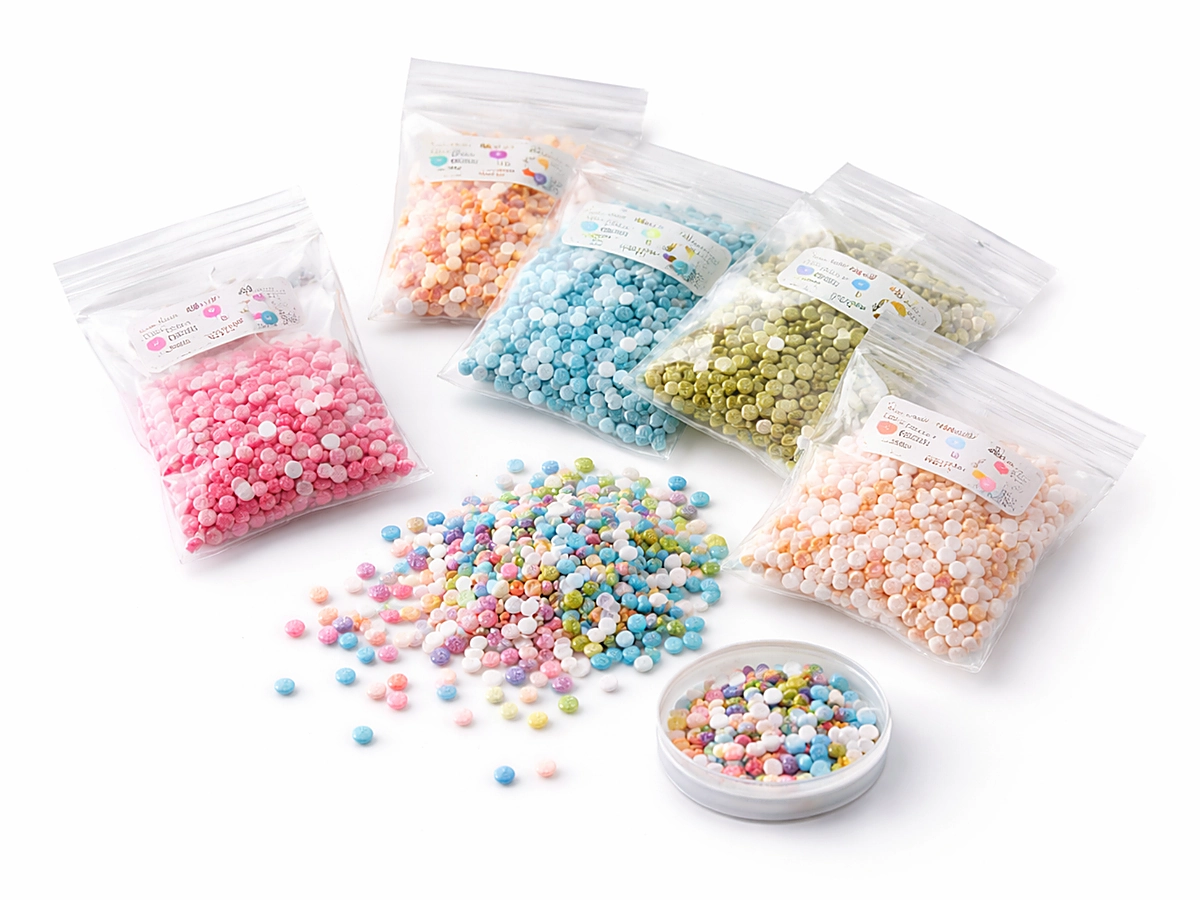
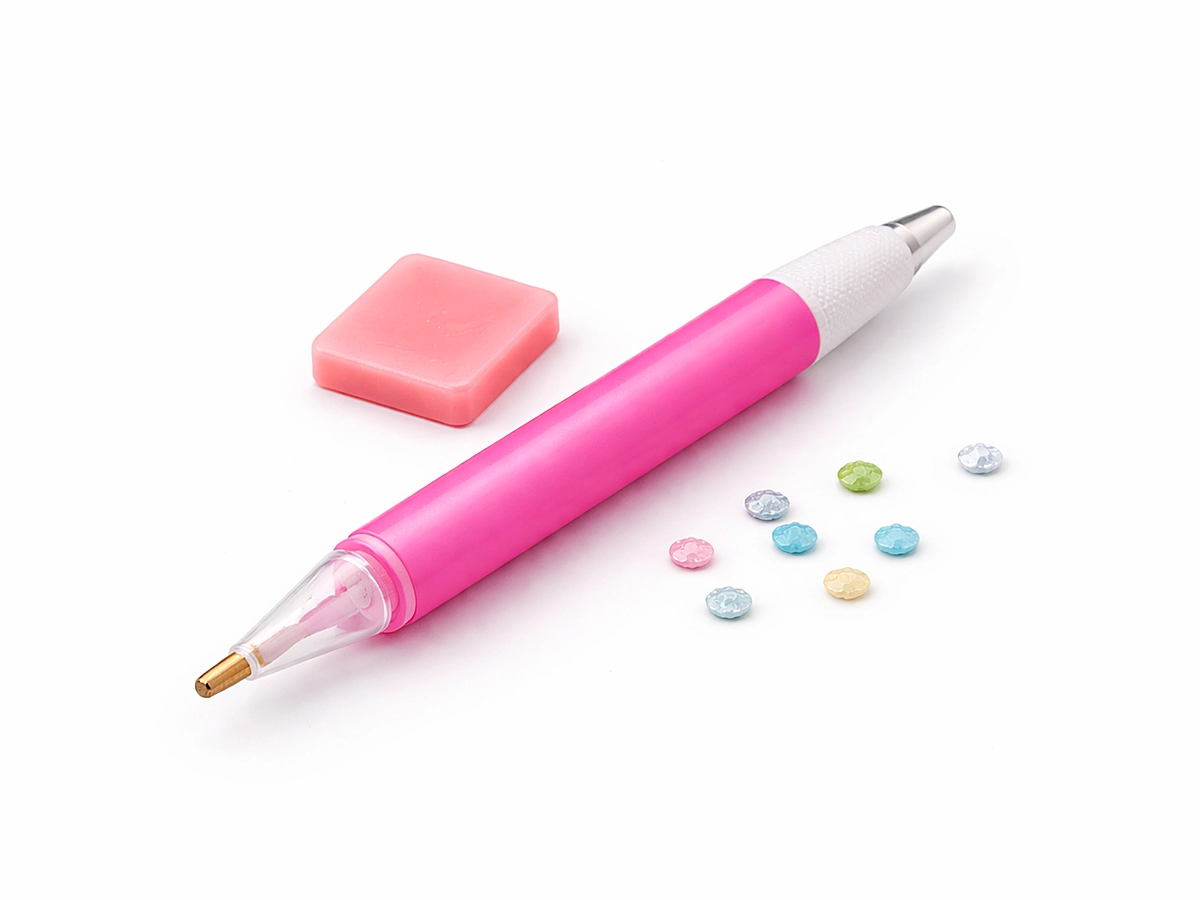
But once you start using them, the whole setup begins to feel logical. The canvas gives you the guide, the symbols show where each color goes, and the rest of the tools are there to keep the process easy and steady.

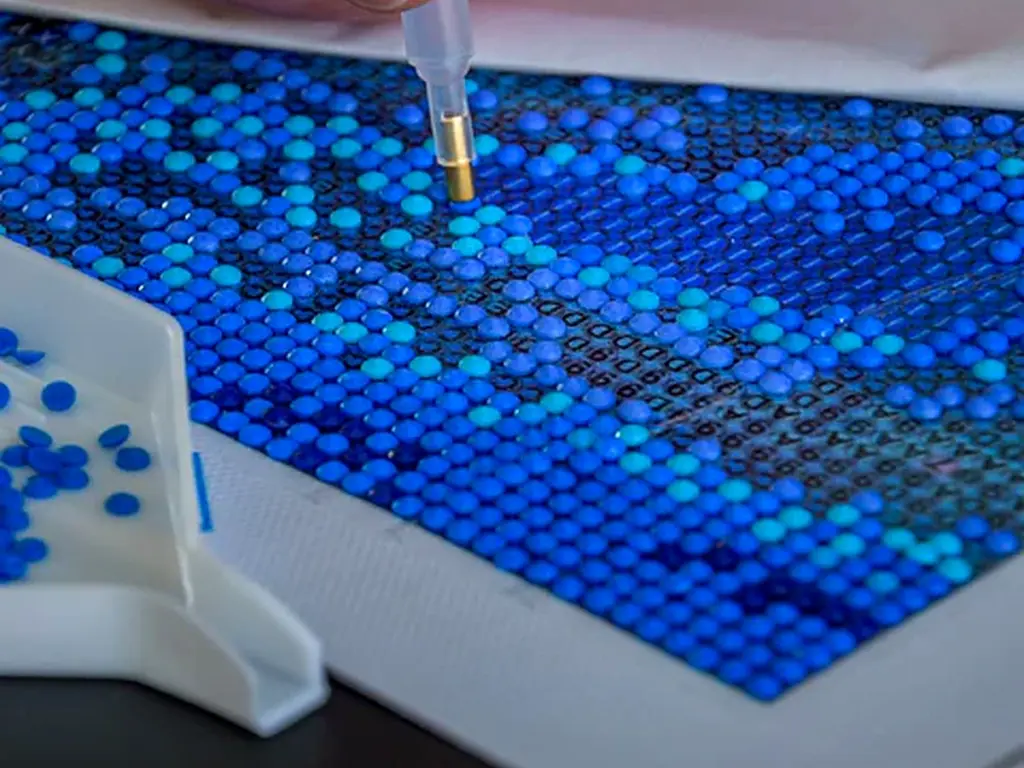
resin diamonds
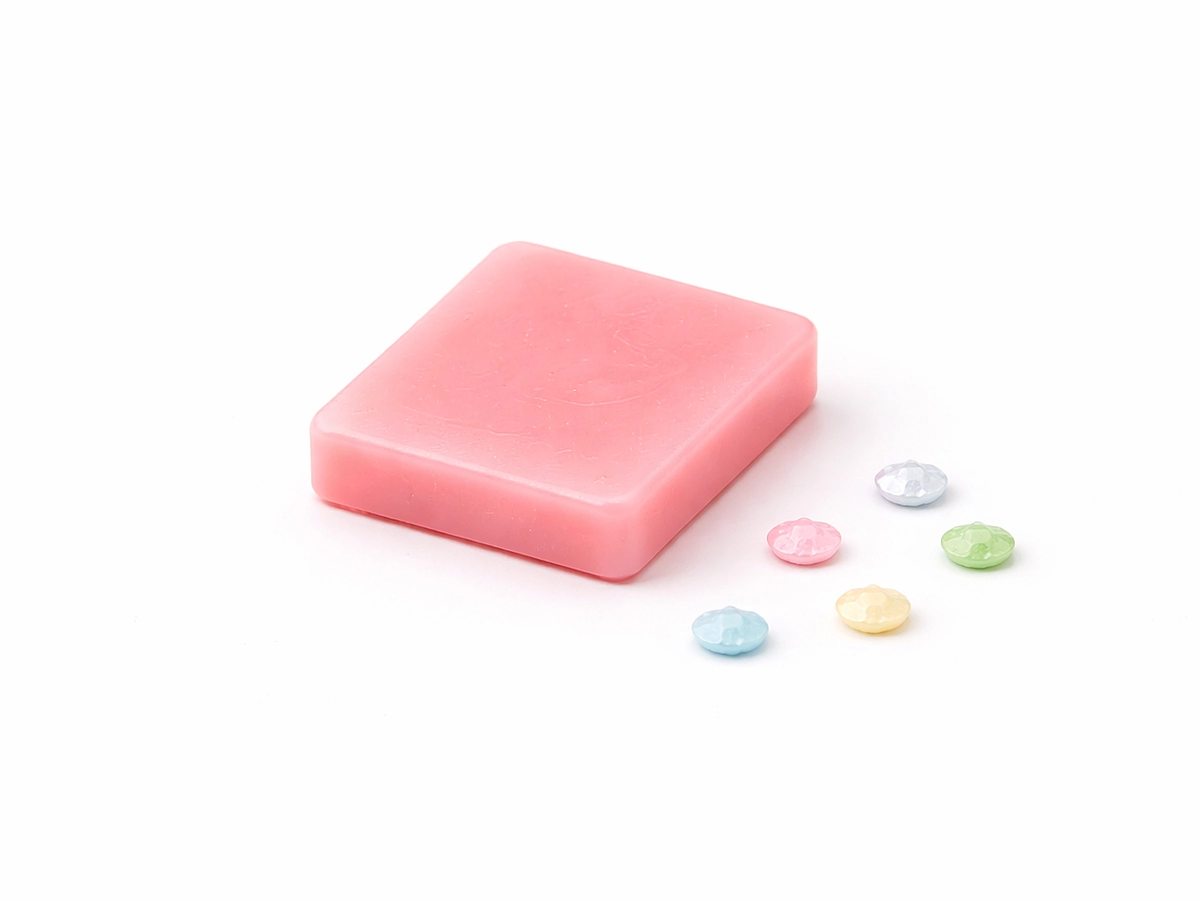
diamond applicator pen
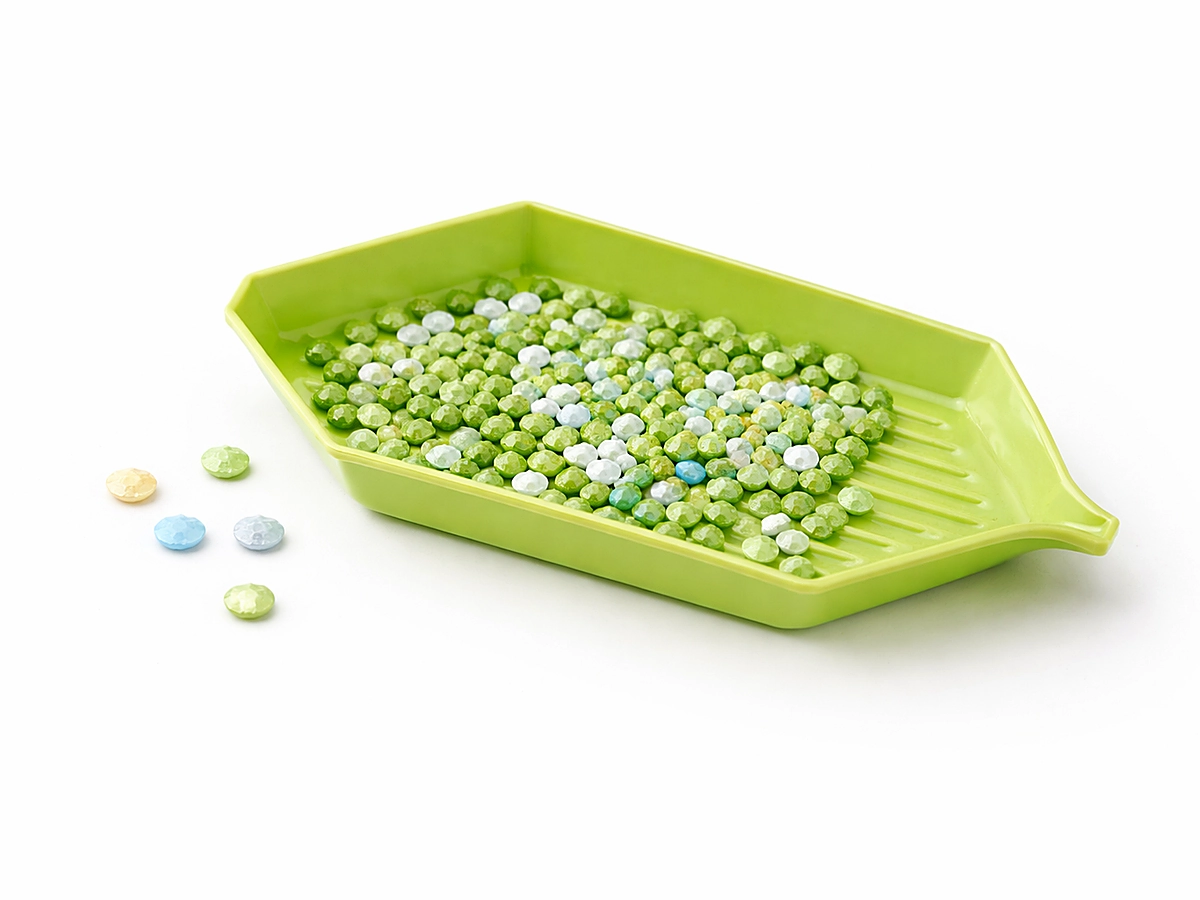
tray

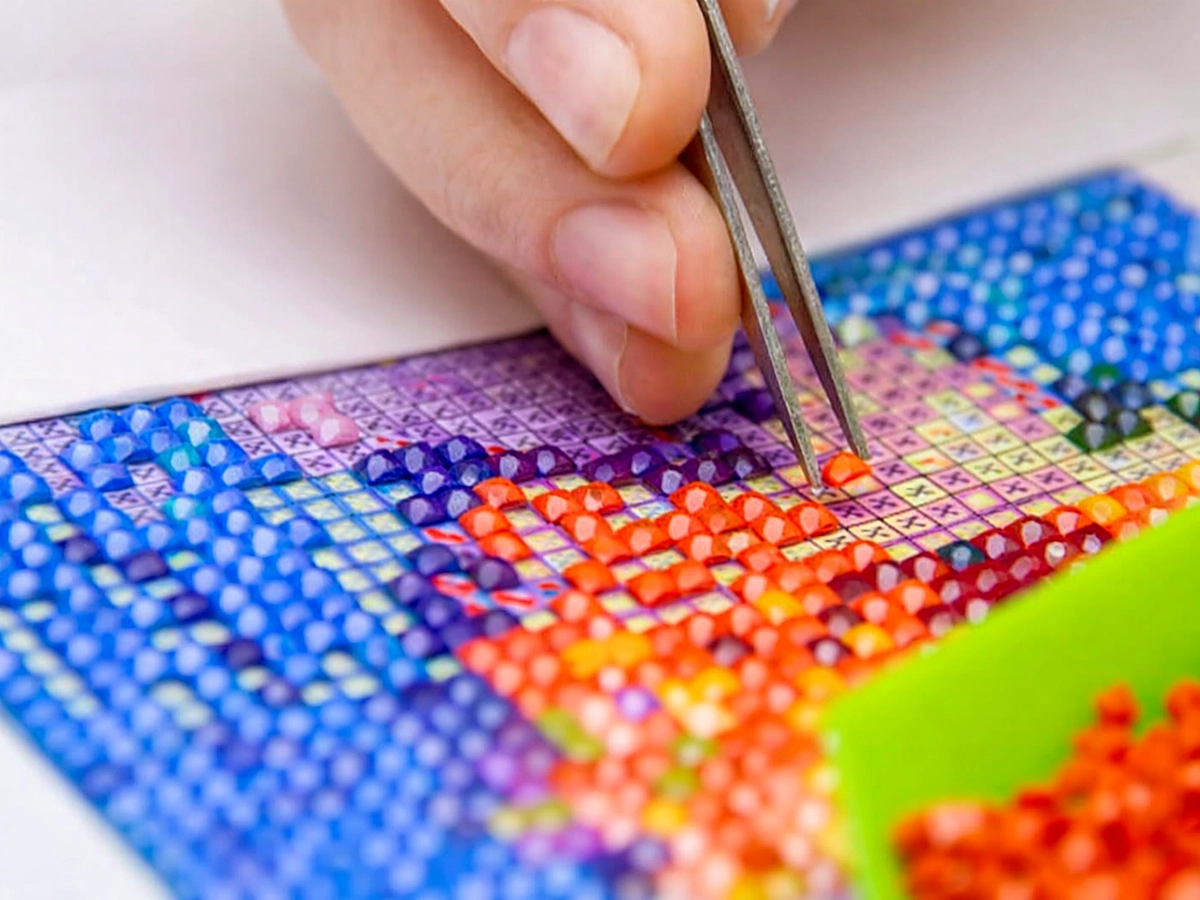
The easiest way to begin is one small section at a time 

diamond painting small sections

Most beginner mistakes feel bigger than they really are

The first small problem can make the whole thing seem harder than it is.

A pen may stop picking up diamonds properly. A symbol may be mistaken for another one. A row may end up slightly uneven. None of that is unusual, and most of it is very easy to correct once you get used to the tools.

What usually surprises beginners is that these little issues rarely affect the final result as much as they think they will. A bit more wax, better lighting, or a small adjustment is often enough to get things back on track.

The early part is mostly about getting comfortable with the process.

diamond painting mistakes
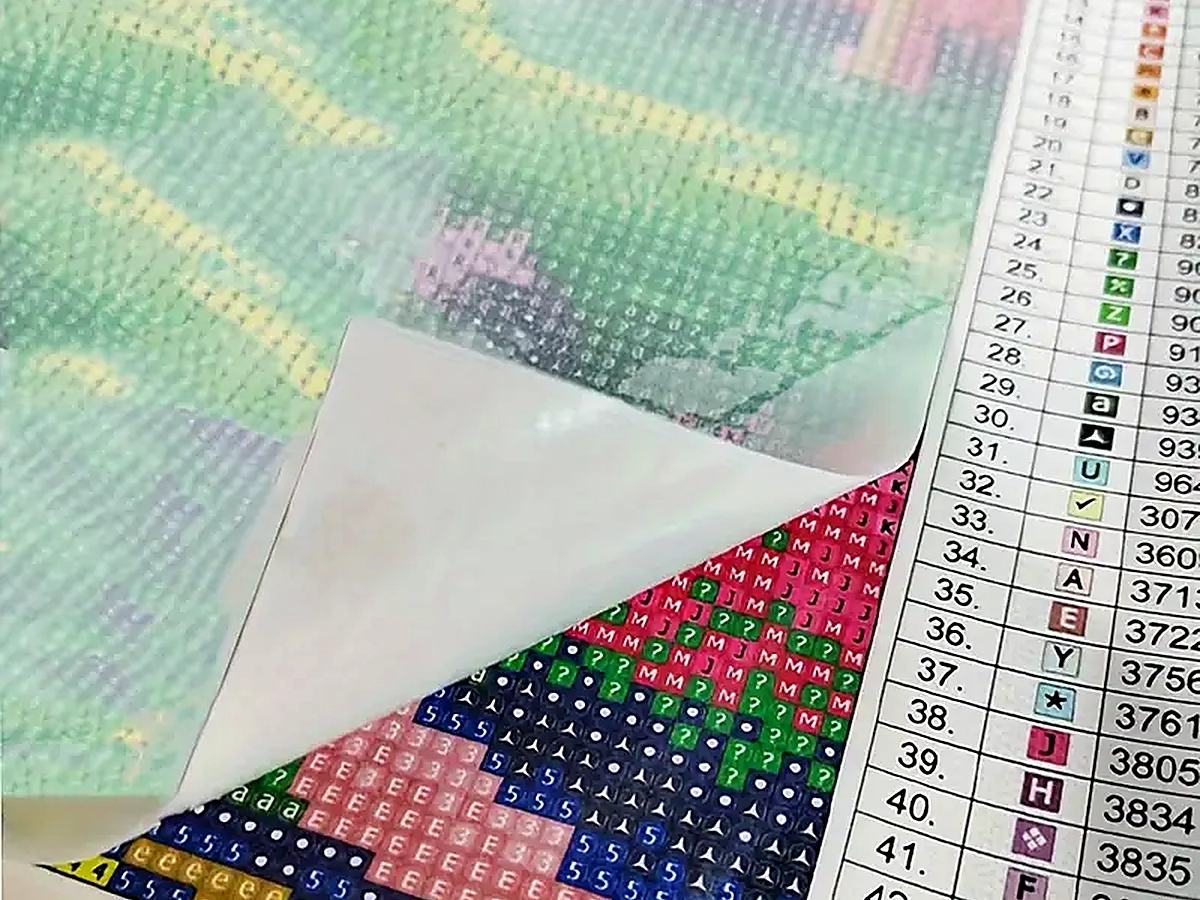
diamond painting protective cover

Keeping everything in good shape makes coming back easier

One of the nicer things about diamond painting is that it does not need to be finished all at once.

Most people work on it over time, which means it helps to leave things in a way that feels easy to return to. Keeping the protective cover over untouched sections helps protect the adhesive. Storing the diamonds clearly between sessions makes the next start feel less chaotic. Leaving the canvas flat, where possible, also makes a difference.

Many people do not think much about this at the beginning, but a tidy pause usually leads to a better next session.

The most satisfying part usually comes later

In the early stages, the painting can feel a little scattered.

You are filling small areas, repeating the same movement, and only seeing parts of the image at a time. Then slowly, often without noticing exactly when, the picture starts becoming easier to read. Shapes connect. Colors settle. The design starts to hold together in a more complete way.

That is often the part people remember most.

It stops feeling like separate sections and starts feeling like something real taking shape in front of you.

Finishing it is simpler than most people expect

Once the canvas is complete, the last step is usually just deciding what you want to do with it.

Some people frame it. Some store it flat. Some leave it aside for a while before deciding. There is no single correct way to finish it, as long as it stays clean and protected.


If needed, the finished piece can be placed under a flat, light weight to help it settle. Some people also choose to seal it, though that depends more on preference than necessity.

In most cases, by the time it is done, you already know how you want to keep it.

A few common questions at the beginning

Not usually. Once the first section is done, most people find the process much easier than they expected.

That depends on the size of the design and how often you work on it. Some people do a little each evening, while others spend longer sessions on it when they have time.

No. Most kits include the basic tools needed to begin.

That happens quite often at the beginning. In most cases, it can be adjusted without much trouble.

Not at all. Most people work on it little by little, which is often the more enjoyable way to do it.